
Can bed bugs survive in environments that are regularly maintained?
Bed bugs are notorious for their resilience and ability to thrive in a variety of environments, making them a persistent concern for homeowners and property managers alike. Even in spaces that are regularly cleaned and maintained, these tiny pests can find ways to survive and multiply. Their elusive nature and adaptability allow them to hide in cracks, crevices, and even the smallest seams of furniture, often going unnoticed until an infestation becomes significant. Understanding how bed bugs manage to persist in well-kept environments is crucial for effective prevention and management, as cleanliness alone is not always enough to keep these pests at bay.
Maintaining a consistent indoor climate often creates a perfect sanctuary for these pests to flourish year-round without interruption. While cleanliness helps in early detection, it does not fundamentally prevent an infestation from taking root if a host is present. Many homeowners seeking professional pest control conway have noted that these resilient insects often retreat into the deepest structural voids where standard cleaning cannot reach. This survival strategy allows them to endure for months by minimizing activity and preserving moisture. Because they rely entirely on blood for hydration, their ability to seek out micro-climates within wall cavities and flooring ensures they remain a persistent threat even in the most meticulously kept households.
How maintenance affects bed bug survival
Bed bug biology and survival tactics
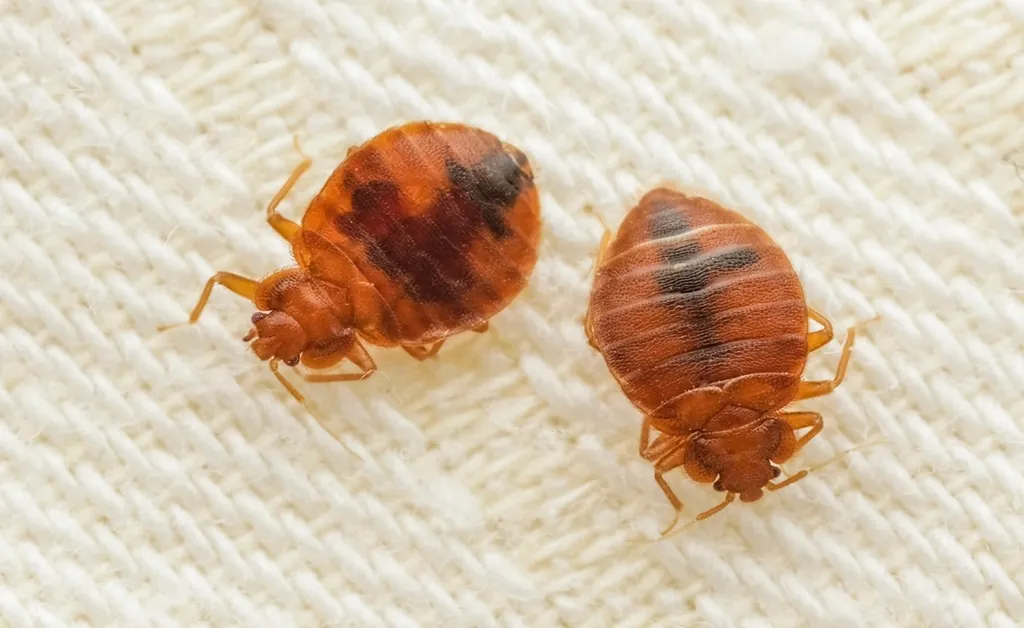
Bed bugs are small, wingless insects that feed exclusively on the blood of humans and animals. Their flat bodies allow them to squeeze into the tiniest spaces, making them difficult to detect and remove. Unlike many pests that are attracted to dirt or food debris, bed bugs are primarily drawn to warmth and the presence of a host. This means that even the cleanest environments can provide suitable habitats for them. Regular vacuuming, laundering, and decluttering can help reduce hiding spots, but these measures alone are often insufficient to eliminate an infestation. Bed bugs can survive for several months without feeding, allowing them to persist in empty rooms or vacant properties. Their eggs are also resistant to many common cleaning methods, which further complicates eradication efforts. Understanding the biology and behavior of bed bugs is essential for developing effective strategies to control their presence in regularly maintained environments. Effective management often requires a shift from reactive measures to a proactive mindset that addresses the environment as a whole. While basic cleaning routines are helpful, they are frequently insufficient against pests that have evolved sophisticated survival mechanisms, such as metabolic slowing or deep-crevice nesting. Homeowners who prioritize comprehensive pest control strategies often find that success lies in combining physical exclusion with professional monitoring. This multi-layered approach ensures that dormant populations are identified before they can resurface. By focusing on the structural vulnerabilities and environmental triggers that allow these insects to thrive, residents can better safeguard their living spaces against the persistent threat of re-infestation over the long term.
Why regular cleaning is not enough
While maintaining a clean and organized environment is important for overall health and hygiene, it does not guarantee protection against bed bugs. These pests are adept at hitchhiking on luggage, clothing, and used furniture, making their way into homes regardless of cleanliness. Once inside, they quickly seek out hiding places near sleeping areas, such as mattress seams, bed frames, and baseboards. Even with frequent cleaning, bed bugs can remain hidden during the day and emerge at night to feed. Their ability to reproduce rapidly means that a small, unnoticed population can quickly escalate into a larger problem. For residents in Crown Point, professional bed bug control Crown Point services may be necessary to address infestations that persist despite regular maintenance. Effective control often requires a combination of thorough inspection, targeted treatments, and ongoing monitoring to ensure that all life stages of the bed bug are eliminated.
Common hiding spots in maintained spaces
Bed bugs are masters of concealment, often hiding in places that are overlooked during routine cleaning. In regularly maintained environments, they may take refuge in the seams of mattresses, behind headboards, inside electrical outlets, and within the folds of curtains. Upholstered furniture, especially those with deep seams or tufted areas, can also provide ideal hiding spots. Even in homes that are vacuumed and dusted frequently, these pests can avoid detection by retreating to areas that are not easily accessible. Bed bugs can also move between rooms through wall voids, electrical conduits, and plumbing, allowing them to spread throughout a property. Their nocturnal habits further complicate detection, as they typically emerge only when it is dark and quiet. Regular inspections of potential hiding spots, especially after travel or the introduction of secondhand items, are essential for early detection and control.
When standard household checks are no longer sufficient, finding specialized regional help can ensure that property problems are handled accurately before escalating. Engaging an expert team for pest control bentonville provides residents with the detailed knowledge required to spot subtle hiding places in structural framing. This deliberate oversight mitigates the danger of long-term populations remaining active underneath floorboards or within interior cavities.
The role of clutter in bed bug infestations
Clutter can significantly impact the ability to detect and control bed bug infestations, even in environments that are otherwise well-maintained. Piles of clothing, stacks of books, and excess furniture provide additional hiding places for bed bugs, making it more challenging to locate and treat all affected areas. Reducing clutter not only limits the number of potential harborage sites but also makes it easier to conduct thorough inspections and apply treatments effectively. However, it is important to note that bed bugs can still survive in uncluttered spaces if they have access to a host. Therefore, while minimizing clutter is a helpful preventive measure, it should be combined with other control strategies for the best results. Regularly inspecting and cleaning personal belongings, especially after travel or guests, can help reduce the risk of introducing bed bugs into a maintained environment.
Professional intervention and long-term prevention
When bed bugs persist despite regular cleaning and maintenance, professional intervention may be necessary to fully eradicate the infestation. Pest management professionals use a combination of inspection techniques, heat treatments, and targeted insecticides to address all stages of the bed bug life cycle. They can also provide guidance on preventive measures, such as encasing mattresses, sealing cracks and crevices, and monitoring for signs of reinfestation. Long-term prevention requires ongoing vigilance, as bed bugs can be reintroduced at any time through travel, visitors, or secondhand items. Educating residents and staff about the signs of bed bugs and the importance of early reporting can help prevent small infestations from becoming larger problems. Regular follow-up inspections and maintenance are key components of a comprehensive bed bug management plan.
Quick facts about bed bug resilience
Bed bugs can survive for months without feeding, making them particularly difficult to eliminate from homes and businesses. Their eggs are resistant to many common cleaning products, and their small size allows them to hide in places that are often missed during routine cleaning. Even in well-maintained environments, bed bugs can persist if not addressed with targeted control measures.
Conclusion
Maintaining a clean and organized environment is important for overall health and comfort, but it does not guarantee protection against bed bugs. These pests are highly adaptable and can survive in even the most regularly maintained spaces by hiding in hard-to-reach areas and going long periods without feeding. Regular cleaning, reducing clutter, and conducting thorough inspections can help reduce the risk of infestation, but professional intervention is often necessary to fully eliminate bed bugs. Ongoing vigilance and education are essential for preventing future infestations and ensuring that any new introductions are detected and addressed promptly. By understanding the habits and resilience of bed bugs, property owners and residents can take proactive steps to protect their homes and maintain a pest-free environment.