The Attention Science Behind Modern Slot Screens
Why do modern slot screens hold your eyes so easily, even during a quick glance? The answer has less to do with luck and more to do with attention science, a mix of visual timing, color contrast, motion cues, and reward signaling that keeps the brain alert.
Slot screens are built to compete for limited mental bandwidth. Human attention is selective, fast to shift, and strongly pulled by novelty, rhythm, and uncertainty. Screen layouts use those traits in precise ways, turning a simple set of reels into a dense stream of signals the brain keeps checking.
That does not mean people lose control the moment they look at a screen. It means the screen is carefully arranged to make noticing, tracking, and anticipating feel easy and compelling. The more a design lines up with known patterns of perception, the more efficiently it captures attention.
How Visual Attention Gets Hooked
Modern slot screens grab attention first through visual salience.
Color, Contrast, And Brightness
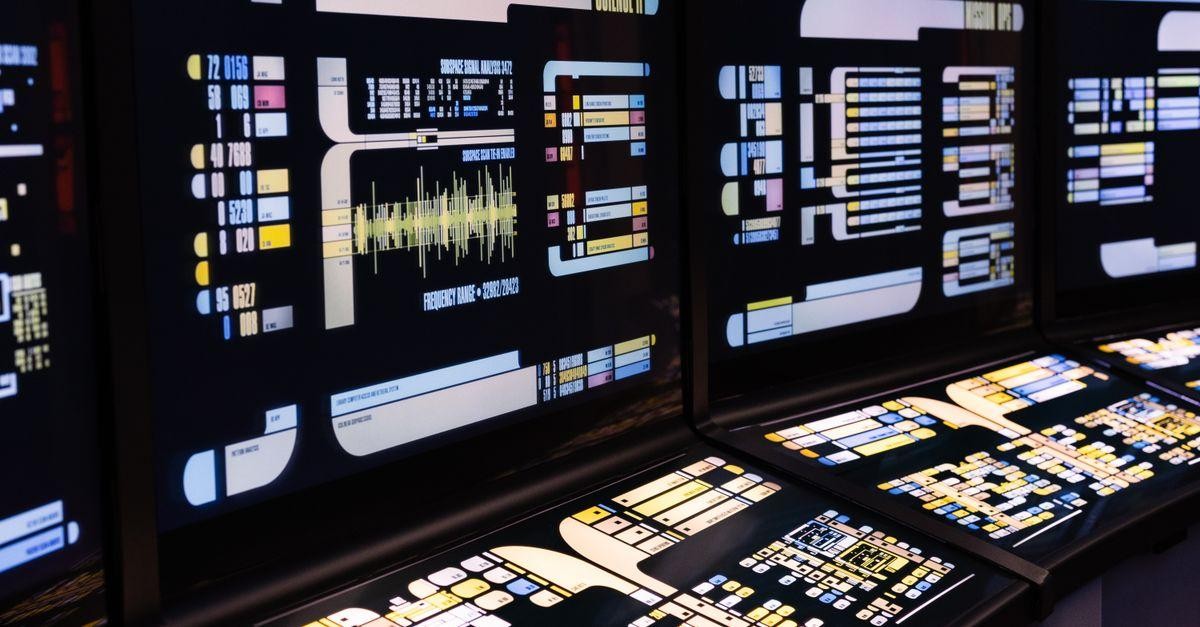
The visual system spots contrast before it processes detail. Bright symbols against darker backgrounds, glowing outlines, and sudden shifts in color all make certain areas stand out instantly. Designers use that effect to direct the eye toward reels, win lines, and animated highlights without requiring conscious effort.
Brightness changes also act like signals of importance. A dim screen state can make a later flash feel more meaningful, while warm colors often suggest action and reward. That is why conversations about visual appeal on pages discussing slot gacor hari ini often focus on patterns people can notice before they even think about them.
Motion As An Attention Magnet
Human vision is highly sensitive to movement, especially motion that starts suddenly. Spinning reels, bouncing icons, shimmering borders, and pulsing buttons all tap into that reflex. Motion says, in effect, look here now.
Small movements matter too. A subtle sparkle on a symbol or a short bounce after a near hit can keep the eyes active across the whole screen. The result is not random busyness. It is controlled visual traffic that prevents the display from feeling static.
Why Uncertainty Holds Focus
Attention stays longer when the next moment is not fully predictable.
Variable Outcomes And Anticipation
The brain pays close attention to uncertain rewards. If an outcome is known in advance, attention fades quickly. If the result could change from one spin to the next, the mind keeps monitoring for information. That is why spinning reels are more absorbing than a fixed display.
Anticipation grows when the screen reveals outcomes in stages. Reels stop one after another, symbols light up in sequence, and pauses appear before final results. Those short delays increase focus because the brain treats unfinished patterns as open loops that need resolution.
Near Miss Signals
A near miss can hold attention because it looks close to success while still ending in failure. Visually, that often appears as matching symbols that almost line up or bonus icons that stop just short. The key effect is cognitive, not magical. The brain notices partial patterns and gives them extra processing time.
That extra processing can make a brief event feel larger than it is. A near miss does not change probability after the fact, but it can intensify attention in the moment by making the screen feel informative and alive.
The Role Of Sound And Timing
Attention on slot screens is not only visual.
Audio Cues Shape Perception
Short tones, rising pitches, and celebratory sounds tell the brain that something relevant just happened. Audio reduces the effort needed to monitor the screen because the ears help track events. A small visual change paired with sound becomes much harder to ignore than the same change in silence.
Timing also matters. Immediate sound after a reel stop reinforces cause and effect, while a slight pause before a win chime can build suspense. Some analysis around screen response patterns, including chatter tied to names like OLYMPUS88, often centers on how audio timing changes the feel of the exact same result.
Rhythm Keeps The Brain In Sync
Repeated timing patterns create rhythm, and rhythm helps attention stay organized. Spin, pause, reveal, sound, flash: that sequence becomes easy for the brain to follow. Once a pattern is learned, people can anticipate the next beat, which increases readiness and focus.
If the rhythm changes slightly during bonus events or larger wins, the break in pattern becomes its own attention signal. The brain notices the shift and treats it as meaningful.
Why Screen Layout Matters So Much
Good attention design depends on where information appears.
Central Focus And Peripheral Cues
Most important action sits near the center because people naturally look there first. At the same time, peripheral elements such as counters, small animations, and edge lighting keep the rest of the screen active. This creates a layered field of attention where the eyes can move without losing the main event.
That layered design supports fast scanning. The viewer can track the reels, notice side indicators, and register button feedback in a single glance cycle. A cluttered screen would overload attention, so the strongest designs balance density with clear hierarchy.
Chunking Reduces Mental Effort
The brain handles grouped information better than scattered detail. Symbols are repeated, bonus markers are visually distinct, and interface elements stay in stable locations. That consistency reduces mental load and frees attention for motion and outcome tracking.
Once the layout becomes familiar, less effort is spent figuring out where to look. More attention is available for anticipation, pattern matching, and reaction to changes on the screen.
How Feedback Loops Keep Attention Active
Attention strengthens when actions get fast, clear feedback.
Immediate Response After Input
Press a button and the reels move right away. That quick response matters because delayed feedback weakens the connection between action and result. Fast visual confirmation tells the brain its input had an effect, which supports continued focus.
Even tiny responses help. Button glow, vibration cues on some devices, and instant animation all create a tight loop between action and perception. The tighter the loop, the easier it is to stay mentally locked in.
Layered Rewards And Progress Signals
Not all feedback comes from major wins. Small line hits, bonus meters, symbol collections, and feature prompts create intermediate signals that keep attention alive between larger events. These markers break long stretches into shorter episodes, and short episodes are easier for attention to track.
That structure matters because the brain responds well to frequent updates. A screen that always has a next signal to watch can hold focus longer than one that offers only occasional information.
What The Science Really Shows
Attention science explains why slot screens feel vivid, readable, and hard to ignore.
Attention Is Directed, Not Random
Modern slot screens combine contrast, motion, uncertainty, timing, layout, and feedback into one coordinated system. Each piece supports the others. Motion pulls the eye, uncertainty keeps it there, sound marks meaning, and layout makes the whole stream easy to follow.
Design Works Best When It Matches Perception
The strongest effects come from fitting design to normal human perception. People notice sudden change, track rhythm, prefer grouped information, and react to immediate feedback. Slot screens use those tendencies with precision, which is why they can feel so captivating even during very short play sessions.