
Modular Stainless Steel Outdoor Kitchen Islands: How to Winterize Your Outdoor Sink and Prep Counter Before Frost
Outdoor cooking can remain enjoyable through much of the year, but falling temperatures require homeowners to prepare their outdoor kitchens for winter. Water lines, sink fixtures, and food preparation surfaces can all be affected by freezing weather, especially when an outdoor kitchen is exposed to wind, rain, and snow. For homeowners investing in a modular stainless steel outdoor kitchen island, proper seasonal maintenance helps protect the setup and makes spring entertaining easier.
With a few practical steps, you can winterize your outdoor sink, protect your prep counter, and keep your cooking area ready for the next season.
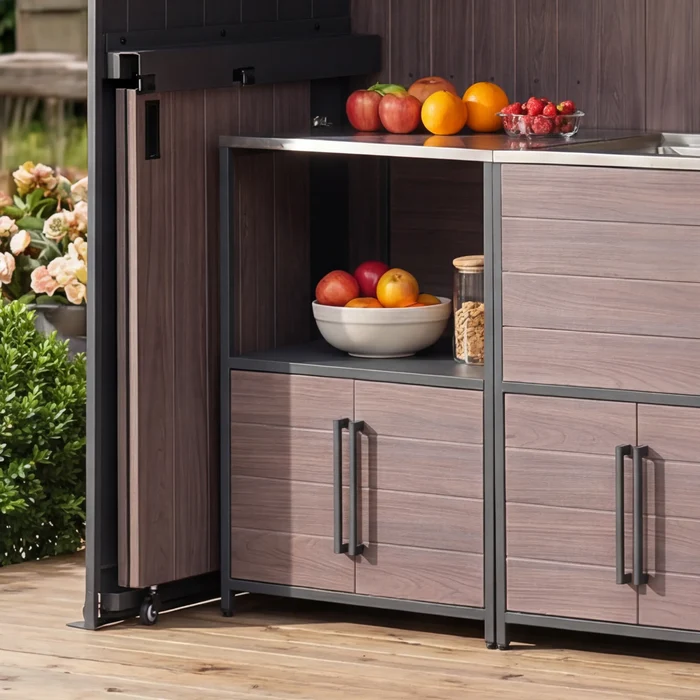
Why Outdoor Kitchen Winterization Matters
Outdoor kitchens face different challenges from indoor cooking spaces. Even durable materials can experience wear when exposed to repeated temperature changes, moisture, and winter precipitation. Water left inside supply lines or plumbing fixtures may freeze and expand, potentially damaging pipes, valves, and faucets.
Stainless steel surfaces are well suited to outdoor environments, but they still benefit from routine cleaning and protection. Grease, food residue, and standing water can make seasonal maintenance more difficult if left unattended.
Whether you have a permanent outdoor cooking station or one of several outdoor kitchen kits, preparing it before the first hard frost helps reduce avoidable repairs and extends the useful life of your equipment.
How to Winterize an Outdoor Kitchen Sink
The first priority is protecting the plumbing. If your outdoor sink connects to a household water supply, locate the shutoff valve and turn off the water before temperatures drop below freezing. Open the faucet to relieve pressure and drain the remaining water from the supply lines.
Next, check the sink, faucet, and drain assembly for trapped water. Follow the manufacturer’s instructions for draining or disconnecting components, especially if the plumbing includes a flexible hose or quick-connect fitting. If the sink connects to a drain trap or other water-holding plumbing, make sure those components are also protected against freezing.
For sinks connected to a larger plumbing system, consider having a qualified plumber winterize the installation. Some systems require specific procedures, and using compressed air or antifreeze incorrectly can cause damage or contaminate plumbing.
Once the plumbing is prepared, clean the basin with a suitable nonabrasive cleaner and dry it thoroughly. Remove food particles and residue from the drain, then leave the sink area clean and free of standing water. If your sink has a removable cover, use it to limit the buildup of leaves, snow, and debris.
Protect Your Stainless Steel Prep Counter
A modular stainless steel outdoor kitchen island offers a convenient surface for chopping ingredients, arranging serving dishes, and preparing food outdoors. Before winter arrives, remove cooking oils, sauces, and other residue with a mild detergent and a soft cloth. Rinse away cleaning products as directed and dry the surface completely.
Avoid steel wool, harsh abrasive pads, and cleaners containing bleach or other chemicals that may damage the finish. For persistent marks, use a stainless steel cleaner approved for your specific surface and follow the product instructions.
Pay particular attention to seams, corners, and areas around the sink where moisture can collect. Although stainless steel resists corrosion, prolonged exposure to salt, harsh chemicals, and trapped moisture can still contribute to staining or surface damage.
Keep the prep counter clear of accessories, utensils, and containers that could collect water. If you use a protective cover, choose one designed for outdoor kitchen equipment that fits securely without trapping excessive moisture underneath. Allow the island to dry before covering it, and check periodically throughout winter for condensation or debris.
Store Accessories and Inspect the Cooking Area
Winter preparation should include more than the sink and counter. Remove utensils, cleaning supplies, and other items that could deteriorate in freezing conditions. Empty storage shelves and wipe them clean before putting away anything that should remain indoors.
If your setup includes a grill station or canopy, inspect the manufacturer’s winter storage recommendations. Clean the cooking equipment, remove grease buildup, and make sure any electrical connections or water-related accessories are protected as instructed. Do not assume that a roof or canopy makes plumbing frost-proof.
For homeowners planning a new setup, SUNJOY offers outdoor cooking products that can help organize a practical backyard workspace. Its collection includes the Fleetwood Stainless Steel Outdoor Kitchen Island Counter, outdoor sink, and three-tier kitchen storage shelf. These individual components provide options for arranging preparation and storage areas around your cooking needs.
Prepare Now for an Easier Spring
The best time to winterize an outdoor kitchen is before freezing temperatures arrive, rather than after the first frost. Shut off and drain the water supply, clean and dry the sink, protect the stainless steel prep counter, and store accessories appropriately. Check the setup periodically during winter, especially after heavy rain or snow.
A modular stainless steel outdoor kitchen island can make outdoor cooking more organized throughout the warmer months, but its long-term condition also depends on consistent care. With proper winter preparation and a suitable layout, your SUNJOY outdoor cooking area can be easier to maintain and ready to welcome family meals and backyard gatherings when warmer weather returns.