Repair vs. Replace: Deciding What Makes Sense for an Aging Furnace
As colder months approach, homeowners often face the dilemma of whether to repair or replace an aging furnace. This decision can be challenging, especially when considering factors like cost, efficiency, and the comfort of your home. An older furnace may still function, but frequent breakdowns, rising energy bills, and inconsistent heating can signal that it’s time to evaluate your options. Understanding the signs of wear, the potential benefits of a new system, and the long-term implications of each choice can help you make an informed decision that keeps your home warm and your expenses manageable.
Deciding between constant maintenance and a full system overhaul often depends on the reliability of your current setup during peak seasonal transitions. While furnace efficiency is a primary concern for many homeowners, the cooling side of your HVAC system faces similar degradation over time. Many people start by looking for ac repair near me to address immediate performance dips before evaluating if the cumulative costs of these fixes warrant a new installation. A professional assessment can often reveal if a simple component swap will restore peak operation or if the unit’s age has made it a liability. Ultimately, balancing immediate comfort with long-term financial planning ensures your home remains a sanctuary regardless of the temperature outside.
What to Expect in This Guide
Signs Your Furnace May Need Attention
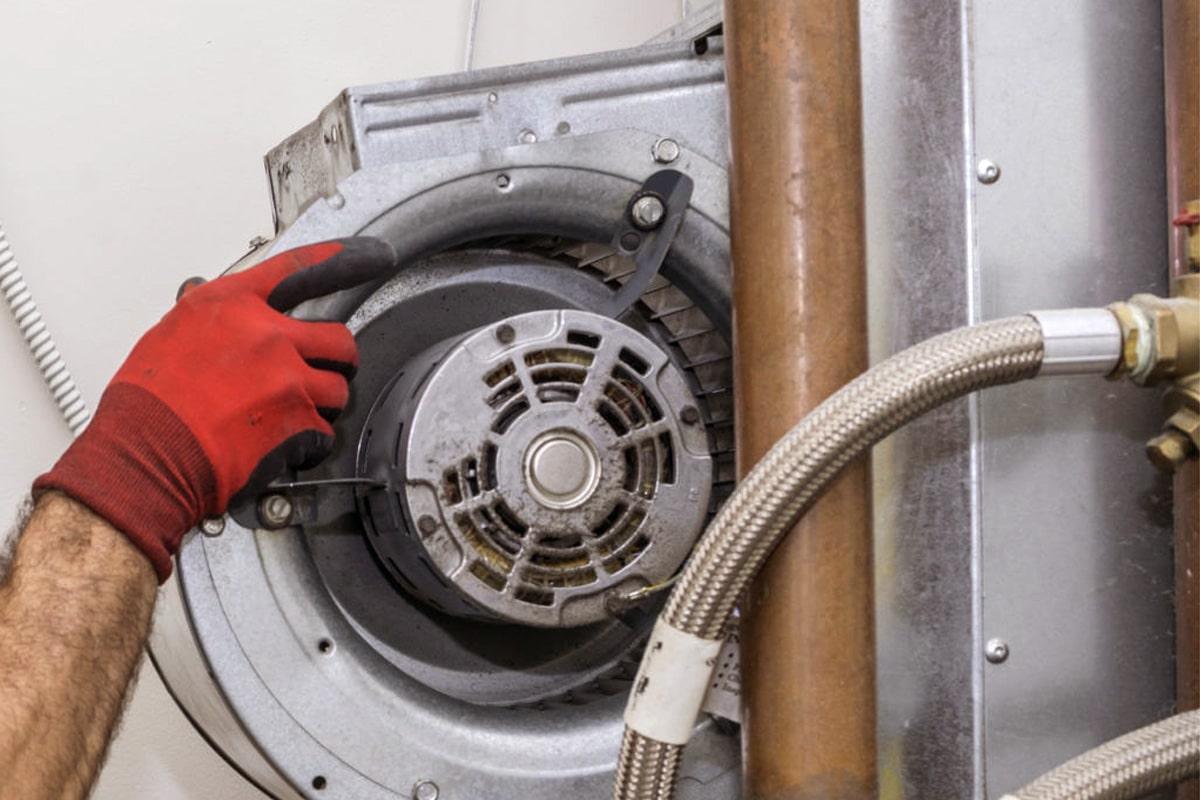
When your furnace begins to show signs of trouble, it’s important to pay close attention to its performance and reliability. Common indicators that your furnace may need attention include unusual noises, such as banging or rattling, which can point to mechanical issues or loose components. If you notice that your home is not heating evenly or that certain rooms remain cold despite the thermostat setting, this could be a sign that your furnace is struggling to distribute heat effectively. Additionally, an increase in dust or dry air in your home may indicate that your furnace is no longer filtering or humidifying the air as it should. Frequent cycling, where the furnace turns on and off more often than usual, can also signal underlying problems. These symptoms, especially when combined, suggest that your furnace is aging and may require either significant repairs or a complete replacement to restore comfort and efficiency to your home. Deciding between a quick fix and a total system overhaul requires a clear understanding of your long-term financial goals and home comfort needs. While many focus solely on the immediate invoice, looking at the cumulative cost of repeated service visits over several seasons often reveals a different story. You can Read more about specific localized service options and specialized maintenance programs that help extend the operational life of aging units. Evaluating the integrity of major components like the heat exchanger or blower motor early on prevents sudden failures during peak winter months. Ultimately, balancing immediate repair affordability with the high efficiency of modern replacements ensures your household remains both warm and economically sound.
Beyond the initial financial calculations, homeowners should also weigh the evolving energy landscape and how modern efficiency standards impact long-term home value. Older units frequently operate at significantly lower performance levels than their contemporary counterparts, which now feature advanced modulation and smart diagnostics to optimize heat distribution. To Learn more about how these specific technical improvements compare to your current furnace’s output, it is essential to monitor subtle performance shifts like irregular cycling or increased operational noise. These minor indicators often hint at deeper mechanical fatigue that could lead to a total system failure during a peak cold snap, making a proactive evaluation much more valuable than an emergency middle-of-the-night repair call.
Beyond the immediate financial calculation of the 50% rule, homeowners should evaluate the systemic stress placed on an aging unit. A furnace that constantly struggles to meet thermostat demands often suffers from internal wear that minor part replacements cannot fully rectify. For those seeking reliable hvac hampton area services, understanding that efficiency losses are cumulative is essential for long-term planning. Modern systems offer advanced heat exchangers and improved blower designs that significantly outperform older technology. Transitioning to a high-efficiency model not only eliminates the cycle of recurring repair bills but also ensures a more consistent and safe environment for the entire household throughout the coldest months.
Deciding when to transition from quick fixes to a full system upgrade requires a careful look at the accumulation of minor issues over time. While a single component failure might seem manageable, the frequency of these disruptions often signals deeper mechanical fatigue. Scheduling a professional Furnace repair service allows homeowners to gain a clearer picture of their unit’s remaining life expectancy and overall safety. When repair costs start rivaling the price of modern high-efficiency models, the long-term energy savings and improved indoor air quality often tip the scales in favor of replacement. This proactive approach ensures your home remains a reliable sanctuary during the coldest months, preventing the stress of a complete system shutdown when you need warmth most.
Evaluating the Cost of Repairs Versus Replacement
One of the most significant factors in deciding whether to repair or replace your furnace is the cost involved. Repairing an older furnace can sometimes be a quick fix, but if you find yourself calling for service multiple times each season, those costs can quickly add up. The age of your furnace plays a crucial role in this decision; most furnaces have a lifespan of 15 to 20 years, and as they approach the end of this range, the likelihood of major component failures increases. When repair bills start to approach half the cost of a new unit, it often makes more financial sense to invest in a replacement. Homeowners in Yuma searching for furnace repair yuma may find that while minor repairs are manageable, ongoing issues can become a financial burden. Additionally, newer furnaces are typically more energy-efficient, which can lead to lower utility bills and offset the initial investment over time. Carefully weighing the immediate repair costs against the long-term savings of a new system is essential for making a sound decision.
Energy Efficiency and Home Comfort
Upgrading to a new furnace can have a significant impact on both energy efficiency and overall home comfort. Older furnaces tend to operate at lower efficiency levels, often wasting a substantial portion of the fuel they consume. This inefficiency not only increases your monthly energy bills but also contributes to uneven heating and frequent temperature fluctuations throughout your home. Modern furnaces are designed to maximize fuel use, providing consistent warmth while using less energy. Improved technology, such as variable-speed blowers and advanced thermostats, allows for more precise control over your indoor environment. Enhanced filtration systems in newer models can also improve indoor air quality, reducing allergens and dust. For homeowners who value a comfortable, healthy living space, investing in a high-efficiency furnace can provide noticeable benefits. Over time, the savings on energy costs and the improved comfort level can make the decision to replace an aging furnace a worthwhile investment.
Safety Considerations for Older Furnaces
Safety is a critical concern when dealing with an aging furnace. As furnaces get older, the risk of dangerous malfunctions increases, particularly if the system has not been regularly maintained. Cracked heat exchangers, for example, can allow carbon monoxide to leak into your home, posing a serious health risk to your family. Older furnaces may also be more prone to electrical issues, such as faulty wiring or worn-out components, which can increase the risk of fire. Regular inspections and maintenance can help identify these hazards early, but if your furnace is consistently experiencing safety-related problems, replacement may be the safer option. Investing in a new furnace not only ensures reliable operation but also incorporates the latest safety features and technology, providing peace of mind for you and your loved ones.
When a Quick Fix Makes Sense
In some cases, a simple repair is all that’s needed to restore your furnace’s performance. If your system is relatively young, has been well-maintained, and the issue is minor—such as a faulty thermostat or a worn-out ignitor—a quick fix can be both cost-effective and practical. Addressing small problems promptly can extend the life of your furnace and prevent more serious issues from developing. However, it’s important to consider the overall condition and age of your system before opting for repeated repairs.
Long-Term Value of a New Furnace
Choosing to replace your aging furnace can offer significant long-term value beyond immediate energy savings. Newer systems often come with warranties that cover parts and labor for several years, reducing the risk of unexpected expenses. Modern furnaces are also designed to integrate with smart home technology, allowing for remote control and monitoring of your heating system. This added convenience can help you optimize energy use and maintain a comfortable home environment year-round. Additionally, a new furnace can increase the resale value of your home, making it a smart investment if you plan to sell in the future. While the upfront cost may be higher, the combination of improved efficiency, reliability, and added features can make replacement the more attractive option for many homeowners.
Conclusion
Deciding whether to repair or replace an aging furnace is a significant choice that impacts your comfort, safety, and finances. By carefully considering the age and condition of your current system, the frequency and cost of repairs, and the potential benefits of a new, energy-efficient furnace, you can make a decision that aligns with your needs and budget. Prioritizing safety and long-term value ensures that your home remains warm and comfortable for years to come. Taking the time to evaluate your options thoroughly will help you avoid unnecessary expenses and enjoy greater peace of mind throughout the heating season.