
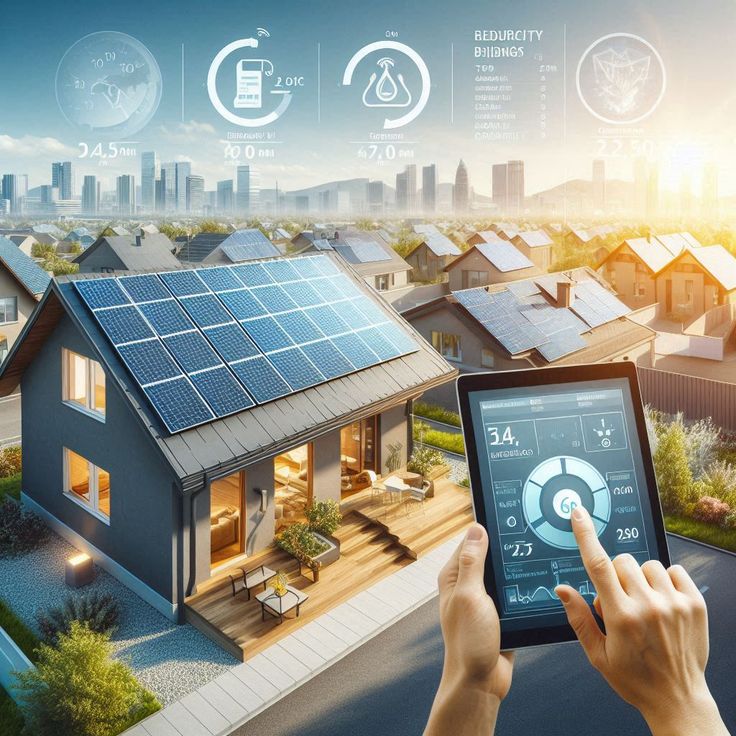
Home Energy Monitor for Microgrids and Off-Grid Homes: What Has to Stay Visible
Grid-tied homes can hide a lot of mistakes because the utility is always there in the background. Off-grid homes and small residential microgrids do not have that luxury. If the battery runs low, the loads are too high, or solar underperforms for several days, the problem becomes immediate.
A microgrid is a local energy system that can operate with or without the main grid. In a home setting, it usually means solar, storage, controls, and sometimes a generator working together.
Visibility Comes Before Independence
The monitor should show generation, battery state of charge, household load, backup source status, and estimated runtime. It should also make trends clear. One cloudy afternoon may not matter. Three cloudy days with rising load can become a problem.
NREL’s research and tools often emphasize that solar output depends on location, weather, orientation, and system losses. In a microgrid, those variables are not background details. They affect daily operating decisions.
A hybrid home energy storage system is relevant because off-grid and hybrid homes need storage and energy management to behave as one system, not separate boxes.
Load Priority Is the Safety Net
Off-grid comfort depends on knowing which loads can run and which should wait. Refrigeration, communications, water systems, and medical equipment may come first. Laundry, EV charging, and high-power appliances may need to wait for stronger solar or a fuller battery.
This is where monitoring should become guidance. A simple warning that the battery is low is useful. A clearer message that a specific load should wait is better. The household should not have to interpret every watt manually.
Hybrid Systems Need Honest Data
If a generator is part of the system, the monitor should show when it runs and why. If the home has EV charging, the monitor should prevent the car from overwhelming the energy budget. If the battery is modular, the homeowner should understand whether capacity is keeping up with the home’s real use.
Sigenergy product materials list stackable LFP battery modules and integrated energy management within the SigenStor architecture. That makes the SigenStor solar storage system a useful fit for hybrid and independence-oriented articles.
A microgrid monitor should also show trends over several days, not only the present moment. Off-grid problems often develop slowly: battery state drops a little each night, solar recharge underperforms, and flexible loads keep running as if conditions were normal. A clear trend line can warn the household before restrictions become urgent.
Load discipline is easier when the system explains the reason. If the monitor says solar is weak and the battery is below target, delaying EV charging feels reasonable. If it only flashes a low-battery warning, the household may not know which behavior to change. Good monitoring turns constraints into specific choices.
Maintenance signals matter too. If the generator runs more often than expected, the battery fails to recharge normally, or solar production drifts below historical patterns, the monitor should make that change visible. Off-grid systems depend on early warnings because there is no monthly utility bill to reveal the problem later.
Off-grid living does not mean guessing less. It means monitoring more clearly and acting sooner.