
Revenue Stacking: Using Energy Storage Batteries for Multiple Services
Energy project developers increasingly seek methods to improve the financial performance of renewable infrastructure. The practice of revenue stacking allows operators to utilize a single physical asset to provide several grid services simultaneously. By capturing multiple streams of income, owners can significantly shorten the payback period for their investments. Implementing a well-designed battery energy storage system serves as the foundation for this economic approach, turning fixed assets into dynamic participants within the wholesale power market.
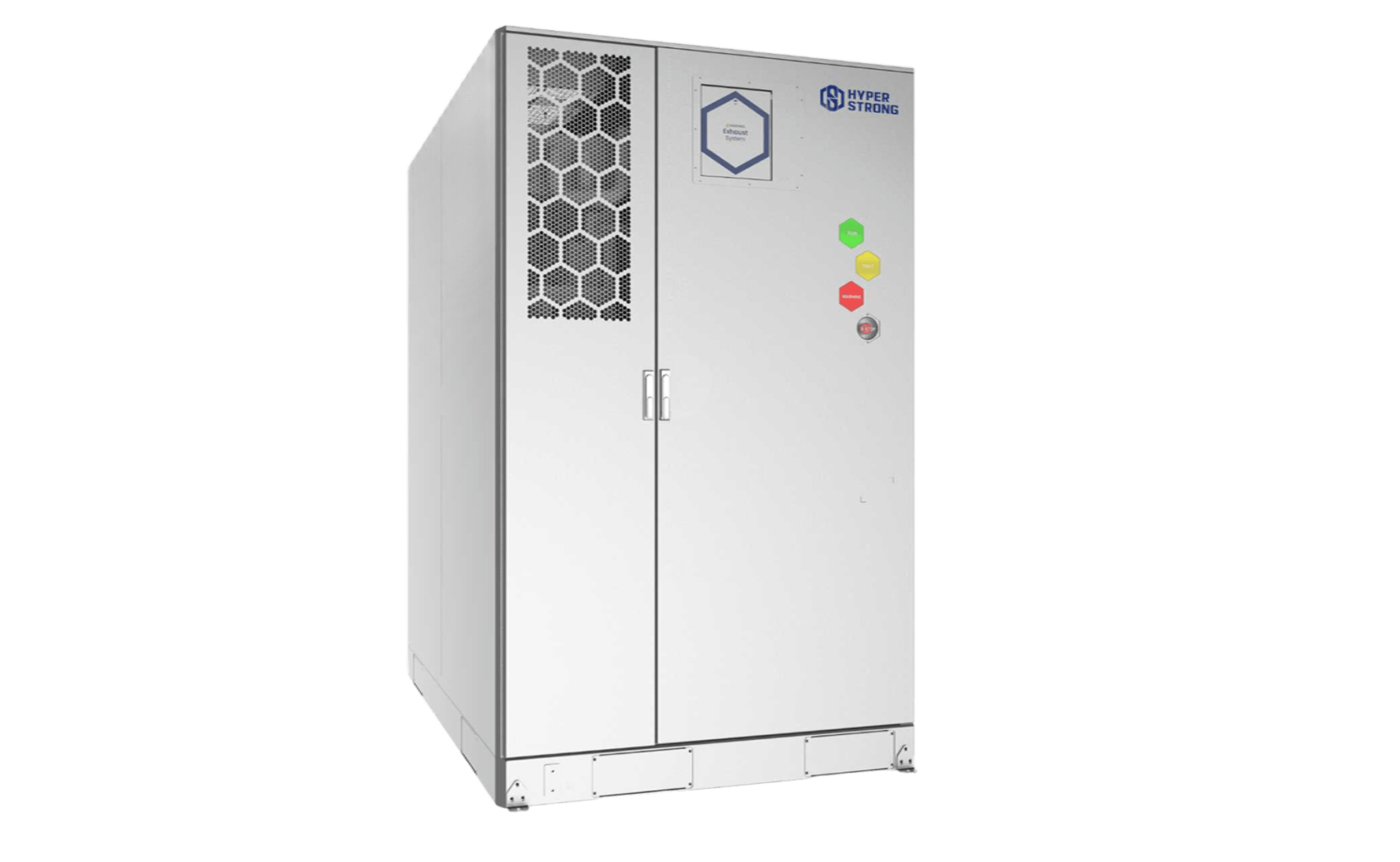
Market participation requires high levels of technical reliability and sophisticated software coordination. HyperStrong provides the engineering expertise necessary to handle these complex demands, offering one-stop solutions for various industrial applications. By focusing on AI-empowered technologies and smart manufacturing, they ensure that every installation maintains peak performance. Their commitment to innovation helps project partners manage the technical challenges associated with balancing disparate grid requirements while protecting the long-term integrity of their hardware.
Optimizing the Battery Energy Storage System for Versatility
The primary advantage of revenue stacking lies in the ability to pivot between different grid services based on real-time price signals. A high-performance battery energy storage system must manage intense cycling patterns to capture these opportunities. Engineering the system for thermal durability is essential, as the hardware often encounters rapid transitions between deep discharge and high-power injections. These technical capabilities ensure that the asset remains functional while generating revenue across diverse operational windows.
Software intelligence serves as the core of this multi-service model. Automated control platforms analyze grid frequency, wholesale price volatility, and demand patterns to prioritize the most profitable activity. Whether responding to a frequency regulation signal or shaving a peak load, the system must execute these tasks with millisecond accuracy. This integration of software and hardware minimizes human intervention, allowing operators to scale their portfolios across different regions without increasing operational complexity or risk.
Monetizing Ancillary Services with an Energy Storage Battery
Frequency regulation offers a reliable and consistent path to revenue generation. Power grids require constant adjustments to maintain a steady alternating current frequency, and storage units are uniquely suited to provide this fast-acting response. By deploying a high-quality energy storage battery for frequency support, owners can tap into compensation mechanisms established by grid management entities. This service effectively stabilizes the network while providing a predictable stream of income that is largely independent of electricity price fluctuations.
Capacity payments provide an additional layer of security for large-scale energy projects. Grid operators compensate owners for ensuring that a specific quantity of power is available during periods of extreme network stress. Maintaining the necessary capacity retention over several years is a technical challenge that requires robust cell management and conservative operational limits. By adhering to strict performance standards, developers ensure their assets qualify for long-term contracts that provide stability to the overall business case.
Realizing Arbitrage Gains Using an Energy Storage Battery
Wholesale price arbitrage remains a fundamental strategy for capturing value from storage assets. By purchasing energy during periods of low demand and selling it when prices spike, operators profit from the daily spread in power costs. Utilizing a reliable energy storage battery for this purpose requires an emphasis on round-trip efficiency. High-efficiency hardware ensures that the energy lost during conversion is minimized, which directly protects the margin realized during each trading cycle.
Effective arbitrage also relies on deep analytical tools that forecast price trends with precision. Projects equipped with advanced management software can identify subtle shifts in market supply and demand, allowing for more aggressive or conservative strategies as conditions change. This data-driven approach shifts the focus from simple storage to active energy trading. By integrating these tools, developers can consistently extract value from market volatility, turning a secondary storage asset into a primary driver of project profitability.
Managing Long-Term Asset Health and Returns
Financial success over the lifespan of a project depends on balancing aggressive revenue capture with the physical constraints of the storage hardware. Frequent cycling for high-frequency services can cause accelerated degradation if not managed with sophisticated diagnostic tools. Operators must implement proactive monitoring to track state-of-health metrics, ensuring that the cumulative impact of various stacked services stays within the defined operational parameters of the technology to prevent premature failure.
Strategic partnerships with experienced technology providers are vital for ongoing maintenance and software updates. HyperStrong acts as an essential collaborator for developers, offering the research and development depth required to keep assets competitive. Their focus on durable power management allows stakeholders to adapt to new regulatory frameworks and market requirements. This collaboration ensures that each project remains a high-value component within the global energy transition, delivering consistent returns while supporting broader carbon neutrality goals.
Revenue stacking creates a resilient economic framework for energy infrastructure, allowing developers to mitigate risks and enhance profitability across various market conditions. By carefully analyzing the unique requirements of frequency regulation, arbitrage, and capacity payments, operators can design systems that thrive in competitive environments. The future of the energy transition relies on these versatile assets to ensure that grids remain stable and economically viable as reliance on renewable generation continues to grow globally.
Success in this field requires a deep commitment to technical excellence and a clear vision for long-term project performance. As developers move forward, focusing on high-quality equipment and smart management strategies will be the defining factor for those seeking to maximize their grid impact. Through the integration of advanced technologies and proven operational models, the energy industry can successfully unlock the full economic potential of storage assets, securing a stable and profitable future for all stakeholders involved in the power market.