
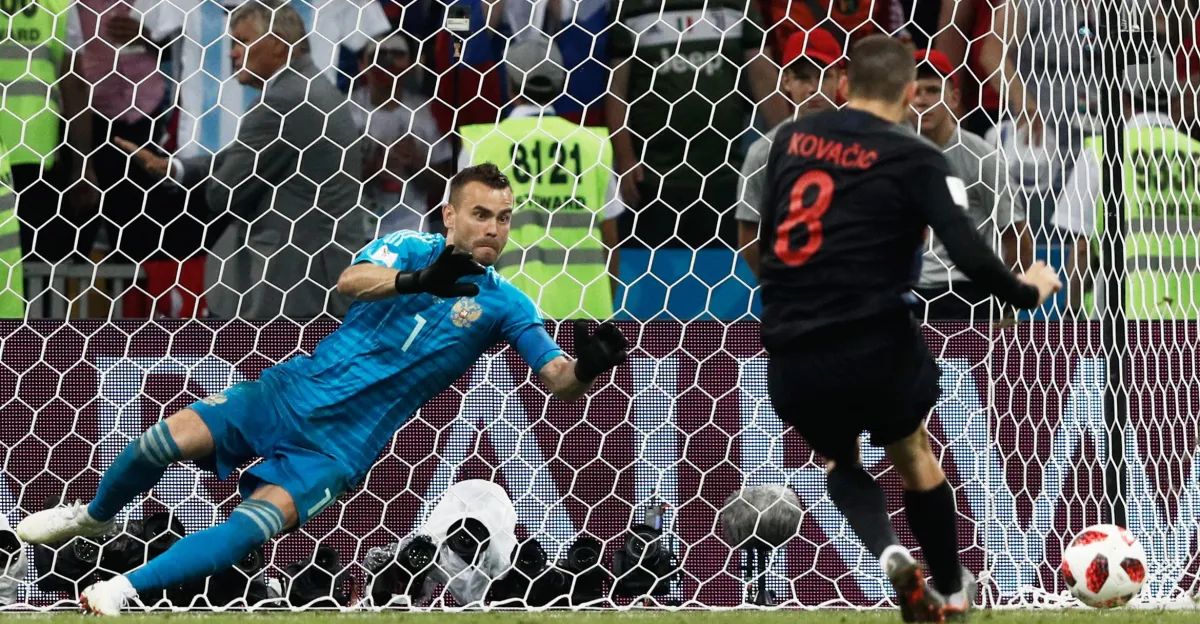
Why Penalty Shootouts Start With Five Kicks Per Team
Penalty shootouts feel like a separate sport tacked onto the end of a football match, yet their structure follows deliberate ideas about fairness, tension, and player fatigue. Understanding why the format begins with five kicks each—and only then moves into sudden death—helps you read the psychology, order selection, and momentum shifts much more clearly when a game is decided from the spot.
How The Modern Penalty Shootout Format Works
Under the Laws of the Game, each team selects five different players to take one penalty each in an alternating “best-of-five” sequence, with the shootout ending early if one side gains an insurmountable lead. If scores are still level after those five attempts per team, the contest moves into additional one‑kick‑each rounds, commonly called sudden death, until one team leads after an equal number of shots. For viewers, that structure means the first five rounds are a finite mini‑match inside the shootout, while everything after that becomes a high‑wire act where every kick can immediately decide the result.
Why Football Needed A Structured Shootout After Extra Time
Penalty shootouts were introduced to replace more arbitrary tie‑breaking methods such as replays, coin tosses, or drawing lots, which were either logistically difficult or felt disconnected from what happened on the pitch. The new format had to guarantee a winner on the day, work within tight tournament schedules, and still feel like a ลิงค์ดูบอลสด changy action rather than an administrative decision. When you watch a knockout match now, you are seeing a path that escalates in intensity—from normal time to extra time to spot kicks—rather than a competition that might be decided by factors unrelated to skill on the ball.
Why Five Kicks Became The Standard Number
The choice of five kicks per team represents a compromise between statistical reliability, fairness across a squad, and practical time constraints. With five attempts each, coaches must involve multiple outfield players rather than hiding behind one or two specialists, while still keeping the sequence short enough that it can fit into tightly programmed tournament schedules and TV windows. From a viewing perspective, five rounds are enough for patterns to develop—confidence, hesitation, goalkeeper reads—without letting the drama drag on so long that the spectacle becomes fatigue rather than tension.
What You Notice When You Watch Full Matches Into Shootouts
When you ดูบอลสด and stay with a game all the way from kick-off through extra time into penalties, you can see how the initial five‑kick structure interacts with fatigue, confidence, and earlier game events. Players who have done huge defensive shifts or carried the attack for 120 minutes may still be first in line, but their technique and composure sit on top of tired legs and a heavy emotional load. You also see how coaches time substitutions late in extra time not just for fresh legs in open play but to ensure specific players are on the pitch and eligible to be chosen among the five designated takers.
How Best‑Of‑Five Balances Skill, Variance, And Drama
A pure skills contest would try to minimise randomness by using many more attempts, while a pure spectacle might lean into sudden death right away, but football’s compromise uses five kicks to capture both. Over five rounds, individual technical quality and goalkeeper decision‑making have time to express themselves, yet there is still enough variance that momentum swings—one save, one miss—can flip a seemingly secure advantage. For viewers, this means you should treat the first few kicks not as isolated events but as part of a pressure curve where each successful conversion adds weight to the shoulders of whoever follows.
How The Order Of Five Takers Shapes What You See
Because only five players are guaranteed a kick before sudden death, coaches spend significant thought on sequencing—often front‑loading confident finishers while keeping reliable options for the fourth and fifth attempts. Some teams prefer their best penalty taker early to set the tone; others hold them for high‑leverage moments, such as the third or fifth kick, where pressure is likely to peak. When you watch, it is worth noting both the body language and the moment in the sequence: a player stepping up at 0–0 on the first kick faces a different psychological landscape than one kicking fifth with everything already on the line.
Typical Role Distribution Across The Five Kicks
Even without official rules on who should go when, certain patterns recur in shootout order because of the different types of pressure attached to each kick. Using that pattern as a reference point helps you interpret why particular players are selected at specific times.
| Kick Number | Common Coaching Logic | Viewing Focus During That Kick |
| 1st | Confident, technically secure taker to establish rhythm and calm nerves | Watch for body language and run‑up as an early signal of composure |
| 2nd | Another trusted option to stabilise, especially if the first was missed | Note if technique changes under early scoreboard pressure |
| 3rd | Often one of the best finishers, as scorelines start to diverge | Track whether goalkeepers have adjusted their dive patterns |
| 4th | Player comfortable with high pressure if shootout is tight or trailing | Observe reaction to previous kick’s outcome—celebrations or nerves |
| 5th | Frequently a leader or star, reserved for potential do‑or‑die moment | Understand that some never take this kick if shootout ends early |
Seeing shootouts through this lens clarifies why some stars never step up at all: if their team loses before the fifth round, the carefully saved “decisive” kick never happens. It also underlines how momentum can swing based on coaching choices, not just technical execution, as different order models either distribute or concentrate psychological load across the five attempts.
Why Sudden Death Only Comes After Those Initial Five Rounds
Sudden death amplifies emotion because any single miss or save can instantly end the contest, but jumping straight to that stage would make results hinge too heavily on one or two events. Starting with five kicks each ensures that both sides enjoy a structured, symmetric opportunity for multiple players to participate, reducing the chances that one unlucky moment defines the entire outcome. From a viewer’s standpoint, the shift you feel after the fifth round is the competition deliberately moving from structured assessment of both squads to pure survival mode, and you can often see that transition in players’ breathing, routines, and shot selection.
How The Five‑Kick Format Interacts With Fairness Rules
Shootout regulations also require that only players on the pitch at the end of extra time may take part and that the number of eligible players is equalised if one side has had sendings‑off. This means the initial five takers draw from the same-sized pool of tired, match‑involved players, rather than fresh specialists coming from the bench purely for penalties. When you watch, it is worth remembering that a late red card or injury does not just affect the last minutes of extra time; it also narrows the coach’s options for how to fill those five slots, which can subtly tilt the balance of technical quality and psychological stability.
Viewing Scenario: How A Shootout Feels Different If Five Kicks Became Seven
Imagine a tournament experimented with seven kicks instead of five before sudden death; more players would be forced into the spotlight, and coaches would need to trust deeper squad members under pressure. Over that longer sequence, the influence of luck might decrease slightly because there is more time for underlying finishing skill to express itself, but viewer fatigue and mental strain on players would rise. By contrast, the current five‑kick standard keeps the drama sharp and concentrated, which is why when you watch real shootouts today the emotional arc feels tight, with very little dead time before everything becomes decisive.
Summary
The five‑kick structure of penalty shootouts is not arbitrary; it is a deliberate balance between fairness, statistical robustness, and watchable drama once extra time has failed to separate two teams. For viewers, recognising that balance—how coaches pick and order their five takers, how pressure escalates within that mini‑contest, and how suddenly the tone shifts into sudden death—turns a shootout from a coin‑flip spectacle into a sequence you can read in real time. When you next follow a match all the way through to penalties, watch the full arc from late extra time into each of the five rounds and you will see how much of the outcome is already being shaped before a single player walks to the spot.