
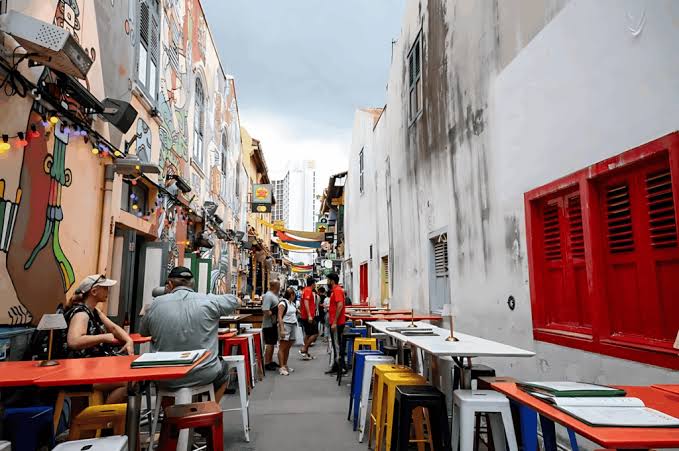
How Local Businesses Add Character to Singapore’s Residential Neighbourhoods
A residential neighbourhood is rarely defined by homes alone. The cafés where people meet, the shops that serve everyday needs, the restaurants that become local favourites and the small businesses that remain part of an area for years can all contribute to its identity.
For people exploring residential property in Singapore, these elements offer another way to understand a neighbourhood. Looking at the local business environment can reveal how an area functions beyond its residential buildings. Holland and Novena provide two interesting examples, while Amberwood at Holland and Serra Residences can be considered within these wider neighbourhood settings.
The Role of Local Businesses in Residential Areas
Commercial activity can give a neighbourhood a sense of rhythm. Different businesses attract people at different times, creating an environment that changes throughout the day.
Everyday Services Create Familiarity
A neighbourhood becomes easier to understand when residents have access to businesses that form part of ordinary routines. These might include cafés, bakeries, supermarkets, restaurants, salons, convenience stores and other services.
Over time, familiar businesses can become associated with the identity of an area. Residents may develop personal routines around particular places, making the neighbourhood feel more recognisable.
Small Businesses Can Shape Local Character
Large commercial centres are convenient, but smaller independent businesses can create a different atmosphere. A traditional shop, specialised food outlet or long-running family business may give a street a personality that is difficult to reproduce elsewhere.
This is one reason neighbourhood exploration can be useful when assessing a potential place to live.
Holland’s Blend of Residential and Commercial Activity
Holland is known for having an established residential identity alongside a variety of local destinations. Its commercial activity contributes another layer to the character of the district.
Dining as Part of the Neighbourhood Experience
Food plays a noticeable role in Singapore’s urban culture, and established residential areas often develop their own collection of dining options.
Restaurants, cafés and casual food outlets can become gathering places for residents, visitors and nearby workers. The range of businesses can also change over time as new concepts enter the neighbourhood.
For residents around Amberwood at Holland, the broader character of Holland can therefore be understood not only through its homes but also through the local activity surrounding them.
A District That Evolves
Neighbourhoods are constantly changing. New restaurants may replace older outlets, shops may change their focus and businesses may adapt to changing customer habits.
This gradual evolution can keep an established area relevant while allowing it to retain elements of its earlier identity.
Novena’s More Urban Commercial Environment
Novena offers a different perspective. Its central setting has contributed to a varied mix of residential, commercial and institutional activity.
A Wider Range of Daily Destinations
The district includes different types of commercial spaces, creating an environment where residential life intersects with a broader urban network.
This can make the neighbourhood feel distinct from areas where commercial activity is concentrated mainly along a single local street.
Residential and Commercial Areas Can Coexist
The presence of businesses does not necessarily change the residential identity of a district. Instead, commercial activity can become part of the wider environment surrounding homes.
Serra Residences can be viewed within this context, where residents experience a residential setting alongside the wider activity associated with Novena.
Why Dining Culture Matters to Neighbourhood Identity
Singapore’s food culture is closely connected with the way people experience different parts of the city.
From Quick Meals to Social Gatherings
Dining is not always about a formal restaurant experience. A neighbourhood café might be a place for a morning coffee, while a casual restaurant may become a regular meeting point for friends.
These everyday interactions can contribute to the sense that a neighbourhood has its own social personality.
Changing Food Trends
Singapore’s dining scene continues to evolve. New cuisines, cafés and food concepts can introduce different influences into established districts.
At the same time, long-standing food businesses can preserve familiar tastes and traditions. The coexistence of old and new adds variety to neighbourhood life.
Retail Adds Another Layer of Convenience
Restaurants may attract attention, but everyday retail is equally important to the practical character of a residential area.
Shops That Support Daily Routines
Residents often value businesses that make ordinary tasks easier. Grocery stores, pharmacies, repair services, personal-care businesses and other local retailers can become part of weekly routines.
The importance of these businesses may not be obvious when someone first visits a neighbourhood, but their value becomes clearer through repeated everyday use.
Independent and Larger Retail Formats
Different types of retail serve different purposes. Smaller shops can provide specialised products or personal service, while larger stores may offer broader selections.
A neighbourhood containing a mixture of both can support a wider range of household needs.
How Businesses Influence the Feel of a Street
The physical presence of businesses can also affect how a neighbourhood looks and feels.
Shopfronts and Street Activity
Visible shopfronts, outdoor seating, signs and pedestrian activity can make certain streets feel more active. Other sections may remain quieter because they are primarily residential.
This variation creates different micro-environments within the same district.
Day and Night Can Feel Different
A neighbourhood may have one atmosphere during the morning and another in the evening. Cafés may be busiest early in the day, while restaurants and other businesses become more active later.
Understanding these patterns can help prospective residents form a more realistic impression of the area.
Exploring a Neighbourhood Before Choosing a Home
A property viewing does not have to begin and end at the development’s entrance.
Walk the Surrounding Streets
Prospective residents can spend time exploring nearby streets and observing the types of businesses operating there. This can reveal details that online property listings rarely capture.
Visit More Than Once
Different days and times can provide different impressions. A weekday afternoon may feel very different from a weekend evening, especially in districts with active dining or retail scenes.
This simple approach can help buyers understand whether the neighbourhood’s atmosphere matches their expectations.
Amberwood at Holland and Serra Residences in Context
Looking at Amberwood at Holland and Serra Residences through the lens of local business activity provides a different perspective on residential choice.
Rather than examining the properties only through their internal characteristics, buyers can consider the broader environments in which they are located. Holland and Novena each have their own mix of commercial activity, dining destinations and everyday services, contributing to their individual identities.
The surrounding business landscape is therefore one more factor that can help prospective residents understand what life in a particular district may feel like.
Conclusion
Homes provide the foundation of residential life, but local businesses can give a neighbourhood its personality. Cafés, restaurants, retailers and everyday services create activity, support routines and help distinguish one district from another.
Holland and Novena demonstrate how established residential areas can develop different identities through their surrounding commercial environments. For anyone considering Amberwood at Holland or Serra Residences, exploring these wider neighbourhood characteristics can provide useful context beyond the property itself.
A home may be a private space, but the streets around it become part of everyday life. Understanding the local business landscape is therefore a practical way to discover another side of Singapore’s residential neighbourhoods.