
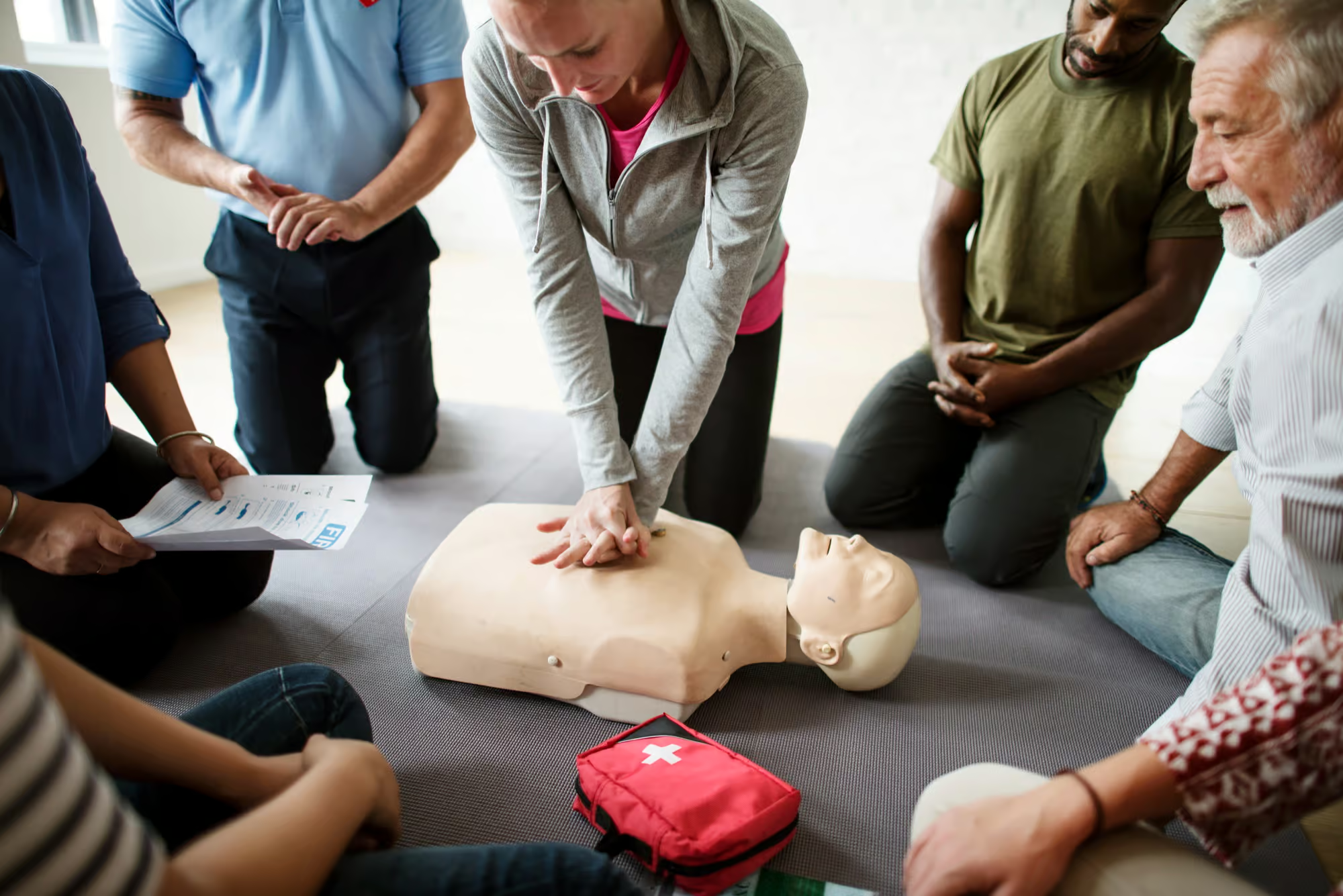
Why First Aid Education Remains Relevant In Modern Society
First aid education is still crucial for fostering safety and readiness in a society where individuals encounter many different threats on a daily basis. Unexpected emergencies may happen in public areas, companies, schools, sports arenas, and homes. The outcome of an event may be greatly affected by knowing how to react in those crucial first moments. Even with advancements in emergency response systems and healthcare, first aid education is still useful today.
Before Professional Help Arrives, First Aid Skills Help Fill The Void
Although they are not always accessible right away, emergency services provide crucial assistance during medical emergencies. In many cases, the initial few minutes of care may help stabilise a person until aid from professionals comes.
People who get first aid training are more prepared to evaluate circumstances, provide first treatment, and lower the likelihood of complications. When every second matters, trained persons are often able to act confidently and successfully, whether they are reacting to a fall, burn, choking event, or unexpected sickness.
Contemporary Lives Present New Safety Difficulties
The modern world is very dynamic and fast-paced. People spend time travelling, commuting, interacting in different work settings, and taking part in leisure activities. Although these activities provide possibilities, they also raise the risk of accidents and injury.
The necessity for emergency preparation increases as lifestyles change. To acquire useful skills that can be used in both personal and professional contexts, many individuals decide to sign up for first aid courses Brisbane. These classes teach people how to react correctly in a range of scenarios that may occur in everyday life.
First Aid Training Promotes Safety In The Workplace
Employers in a variety of sectors understand how critical it is to keep the workplace safe. Even if regulations and safety precautions help lower risks, unforeseen occurrences may sometimes happen.
Workers with first aid training make the workplace safer by being ready to help coworkers in an emergency. Their capacity to provide prompt medical attention may lessen the severity of accidents and foster a more robust, safety-conscious culture.
For many employees, earning a first aid certificate brisbane is not only a great professional credential but also a useful skill that helps their teams and businesses.
One Of The Biggest Advantages Is Confidence
Increased confidence is one of the most significant results of first aid instruction. Because they don’t know what to do in an emergency, people often pause. By offering precise instructions and practical experience, training aids in eliminating such ambiguity.
People who comprehend the fundamentals of first aid are often better equipped to maintain composure under duress. Their self-assurance enables them to make wise choices and provide support when it’s most required.
In circumstances involving friends, family, colleagues, or even strangers, the ability to remain calm and act may be quite helpful.
Communities Gain From Increased Knowledge
Beyond helping individuals, first aid education strengthens communities. Communities are better prepared to deal with unforeseen events when more individuals are trained in emergency response.
Because it fosters a sense of shared responsibility and readiness, schools, community groups, sports teams, and local companies often support training. Everyone is safer in a community where many individuals are familiar with basic emergency treatment.
It is now simpler for individuals from all backgrounds to acquire life-saving skills and significantly impact public safety due to the broad availability of CPR and first aid training.
Knowledge Of First Aid Promotes Lifelong Learning
As new findings and guidelines are developed, health and safety procedures keep changing. People who get first aid instruction are encouraged to keep updated and update their knowledge on a regular basis.
Maintaining current and useful abilities is facilitated by ongoing training. Refresher courses provide chances to hone skills, pick up new protocols, and boost self-assurance while handling situations.
This dedication to lifelong learning is a reflection of the increasing understanding that disaster preparation is a continuing duty rather than a one-time accomplishment.
Conclusion
Because accidents may occur anywhere and at any time, first aid education is still very important in today’s world. Outcomes and recovery may be significantly impacted by the capacity to provide prompt support prior to the arrival of expert aid.
First aid training still has a lot to offer, from promoting workplace safety and boosting self-esteem to bolstering communities and promoting lifelong learning. Investing in first aid education continues to be one of the most sensible and beneficial actions people can take to safeguard themselves and others around them, especially in light of the increasing hazards and difficulties that contemporary living brings.