Which Natural Flower is Right for You and How to Choose: Distinctive Psychoactive Options
Some days you want a soft landing, while on other days, you want a clean lift. Sometimes you just want your brain to stop buzzing for a minute. Hence, you might ask, “Which natural flower is right for me?” It is actually a question about nervous system tone, stress load, sleep debt, and how sensitive you are to shifting states.
In general, flowers are gentle or surprisingly heady. It depends on the plant, preparation, and your own wiring. Basically, it is a pattern-matching exercise.
How to Choose Your Natural Flower?
If you want to choose your natural flow, you have to start with the basics. This is because it matters more than the aesthetic.
- Legal status where you live
- Job’s policies
- Health history
- Meds you are taking.
After that, get honest about what you actually want. Some examples are calm, focus, emotional loosening, sleep, or a slight dissociation from the day’s noise.
Psychoactive might mean mild soothing through aroma, or strong shifts in perception and in the sense of time. Hence, choosing well is mostly about avoiding mismatches that leave you foggy, anxious, or too sedated to function.
The Strong Option: Cannabis Flowers
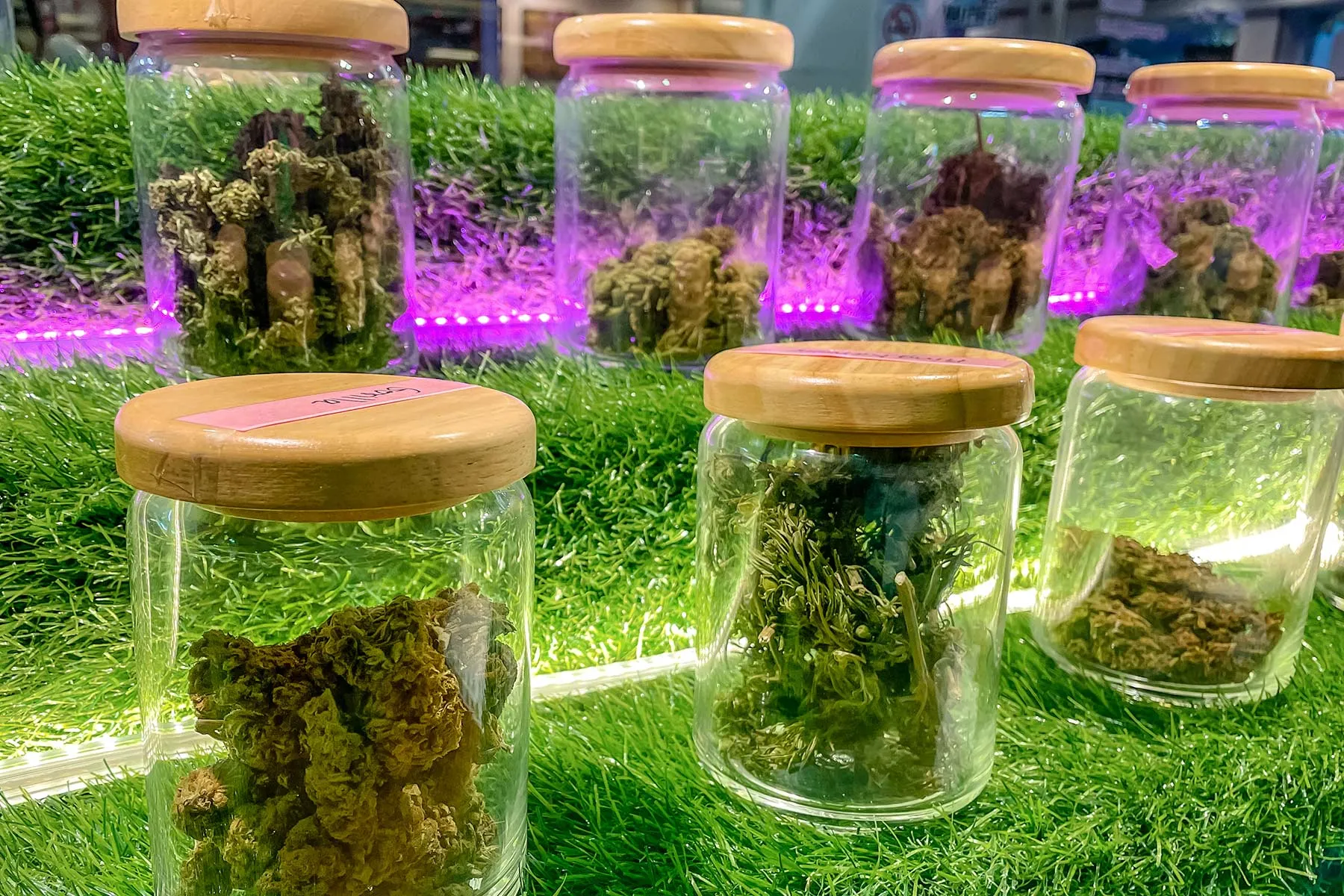
Cannabis is the most obviously psychoactive “flower” in popular culture. This is because the usable part is the flower cluster itself. The tricky part is it’s not one thing. Rather, it is a menu of chemotypes and terpene profiles. Also, your body will interpret them in its own weird way.
In general, people talk about THCA flower as a more specific lane. They mostly discuss it in legal and product-context terms. However, the lived experience still comes down to sensitivity, setting, and how quickly you spiral into overthinking. If you are prone to anxiety, you choose differently.
What Does Cannabis Tend to Do?
Cannabis can tilt toward uplift, body heaviness, sensory sharpening, appetite changes, or mental looping. It’s not inherently relaxing just because people say so. Your first job is to notice your baseline. If you already run fast and tight, strong stimulation can feel like a trap instead of a treat.
Also, this option carries the most impairment risk for driving, work, and decision-making. That matters when you are choosing, not after.
The Dreamy Option: Blue Lotus
People describe the Blue Lotus with a romantic tone. In general, people look for Blue Lotus for a mild, hazy calm and a slightly dreamy edge. It is less about psychedelics and more about a slow-motion evening. The catch is expectation.
If you go in wanting fireworks, you will overdo it or keep chasing the feeling. This is how mild plants become annoying experiences. In fact, blue lotus fits best for people who want a gentle unwind and can tolerate subtlety.
The Nervous-System Option: Passionflower
Passionflower is the kind of flower people reach for when the problem is internal tension. People go for it not out of sadness, boredom, or a need for novelty. The appeal is that it does not have to change the channel dramatically to be helpful.
In fact, it can feel like turning down background static. Also, it pairs well with sleep routines and nighttime boundaries. If your goal is steadier evenings, not an altered reality, passionflower tends to align with that intent.
The Everyday Calmers: Chamomile and Lavender
Chamomile and lavender are so common that people stop respecting them. In fact, their psychoactivity is subtle, but real in the sense that mood and arousal level can shift.
Also, chamomile leans toward gentle sedation and comfort. Meanwhile, lavender tends to calm through scent and association, plus a body-level ease for some people. So, if you are new to psychoactive botanicals, this is a lower-risk place to start.
What Each Flower Is Best At?
| Flower (Common Use) | Typical Feel (Broadly) | Intensity Range | Best-Fit Goal | Watch-Out Moments |
| Cannabis flower | Perceptual shift, body, and mood changes | Medium to high | Recreation, pain distraction, mood alteration | Anxiety spikes, impairment, policy, and legal issues |
| Blue lotus | Dreamy unwind, soft float | Low to medium | Evening decompression, mellow ritual | Chasing intensity, disappointment if expecting “trippy.” |
| Passionflower | Mental unclenching, calmer edges | Low to medium | Stress support, sleep-adjacent calm | Daytime sleepiness for some, interactions with sedatives |
| Chamomile | Warm sedation, comfort | Low | Bedtime ease, gentle calm | Ragweed-family allergies in some people |
| Lavender | Calming scent, light relaxation | Low | Tension relief, sensory grounding | Headache sensitivity to strong fragrance |
Safety First!
Obviously, natural does not mean harmless. In fact, flowers interact with medications, worsen certain mental health patterns, or trigger allergies. So, if you are pregnant, managing a mood disorder, or using sedatives, this becomes a clinician-level conversation. You must not experiment in those cases.
Also, be careful with the story you tell yourself. If you frame a flower as a rescue device, you might keep raising intensity when life feels heavy. Essentially, better framing is support, not escape. Hence, choose the flower that matches your actual goal, then keep your expectations humble and your routines solid.